Look at the meals you already enjoy
Write down a few dishes you are happy to repeat. Look for ingredients they share: perhaps rice, tinned tomatoes, lentils or a particular spice. These are good candidates for your own staples.
Build gradually. A new ingredient is easier to use when you already have a meal in mind for it. Buying a little at a time also helps you understand which sizes and quantities work for your household.
Choose ingredients with more than one use
A tin of tomatoes can become the starting point for a pasta sauce, a soup or a braise. Cooked beans can suit a warm dish or a salad. Rice and pasta can support very different flavours, depending on what you cook alongside them.
Keep a small selection of herbs, spices, oils and acidic ingredients that fit the cuisines you enjoy. You do not need every variation. Start with the ones that appear in your regular recipes.
Make what you have easy to see
Group similar foods together and keep labels visible. Put older suitable items in front of newer ones, and check packaging for storage instructions. If you decant an ingredient, keep its identity, date and allergen information.
Before shopping, check what is already open. A short note on your phone or a quick cupboard check can prevent another partly used packet joining the collection.
Keep the fridge and freezer in the picture
Your pantry works alongside fresh and frozen ingredients. Choose vegetables and other ingredients that suit the dishes you plan to make. Follow the labels and safe storage instructions rather than relying on a general shelf-life estimate.
Review your kitchen before choosing dinner. In +Recipes, add the ingredients you have and explore the recipes they point towards. A pantry becomes useful through cooking from it, one meal at a time.
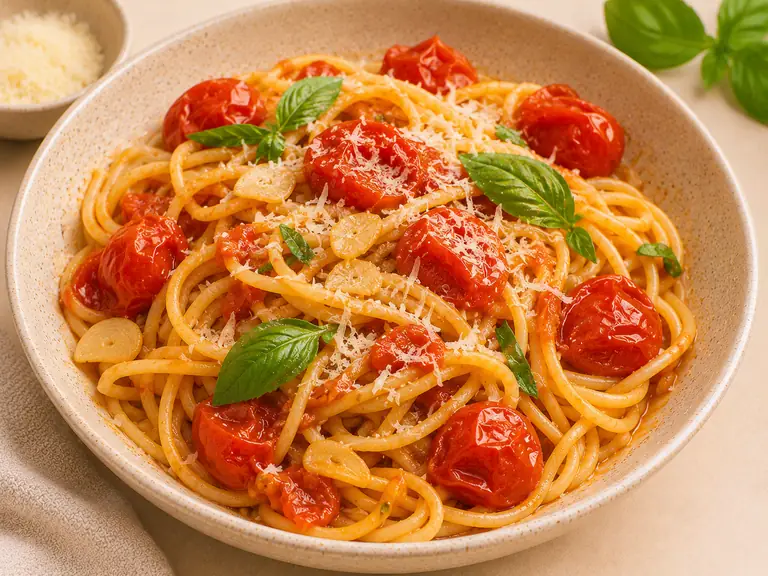
A taste of the app’s catalogue. Recipe photography is AI-assisted and individually reviewed.